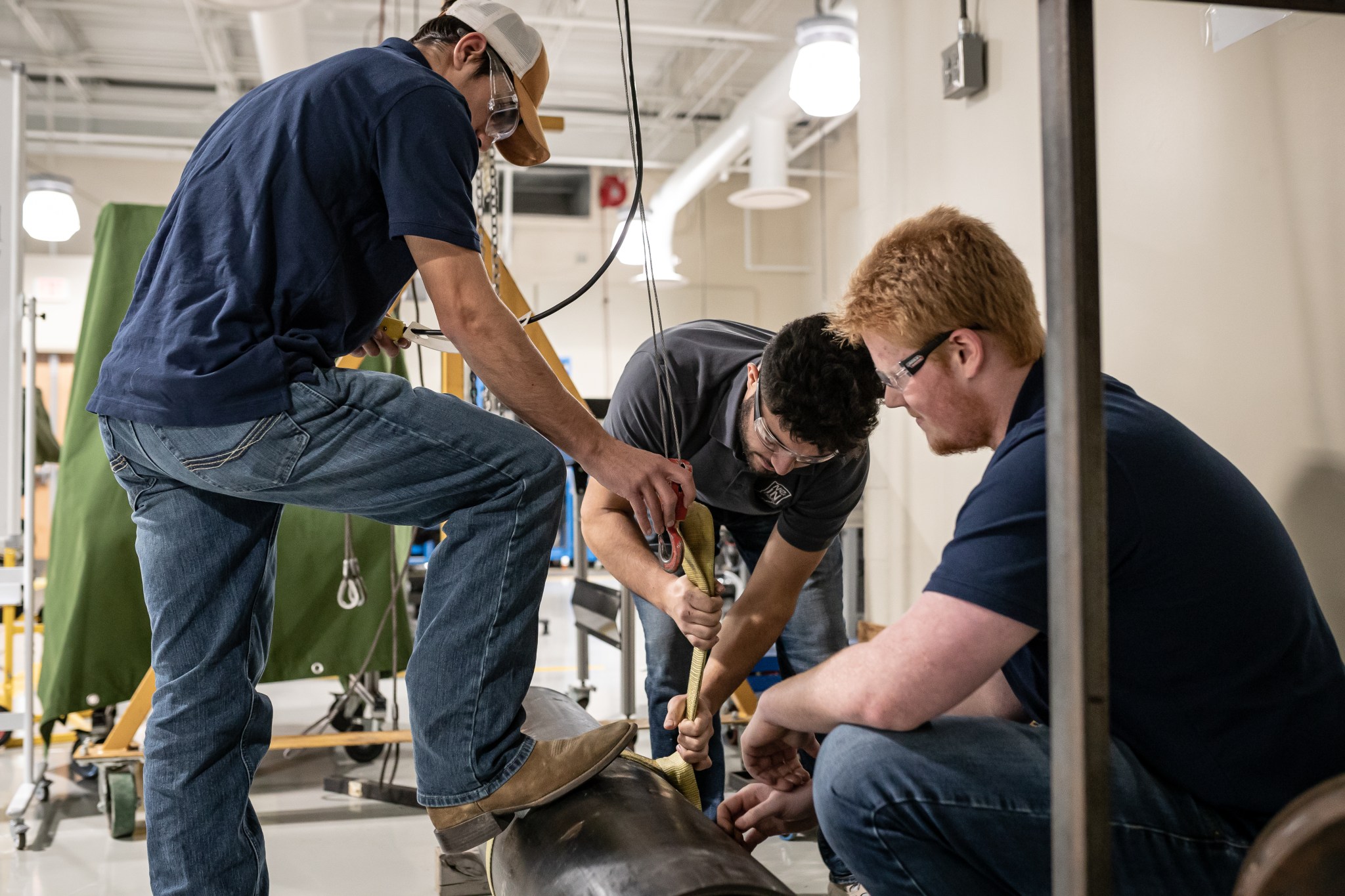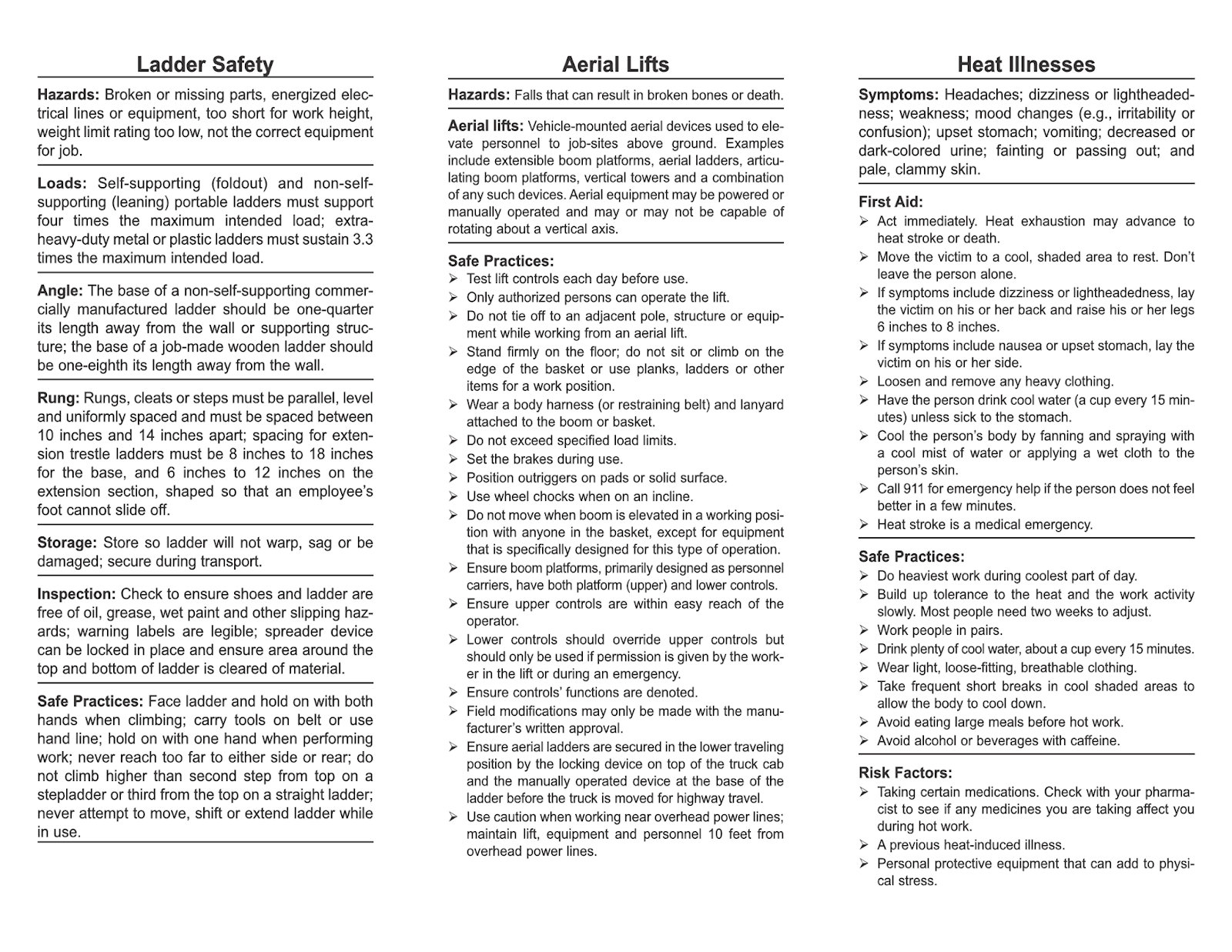
Toolbox talks that fail to engage are worse than no talk at all. Workers zone out, supervisors check boxes, and real risks go unaddressed. Yet when done right—with relevant, high-impact safety topics delivered in clear, concise formats—daily toolbox talks reduce incidents, reinforce habits, and build a culture where safety isn’t policy, it’s practice.
The best resource? A well-structured, free safety topics for daily toolbox talk PDF. Not generic fluff. Not outdated templates. Real content that speaks to real job sites: construction zones, manufacturing floors, utility crews, warehouse operations. Content you can download, print, and use today—without spending a dollar.
Here’s how to leverage free safety topics effectively, where to find the best PDFs, and how to turn them into consistent, impactful safety moments.
Why Free Safety Topics Matter More Than Ever
Safety compliance isn’t just about avoiding fines. It’s about preventing the preventable. According to OSHA, nearly 4,800 workers died on the job in the U.S. in recent reporting periods. A significant number occurred in construction, transportation, and materials handling—environments where toolbox talks are most critical.
But too many teams run these meetings on autopilot. Topics are recycled. Engagement is low. Workers walk away remembering nothing.
Free, high-quality safety topics in PDF format solve this. They offer:
- Consistency: Structured templates ensure key points aren’t missed.
- Accessibility: Anyone can download and use them—no LMS or login required.
- Time savings: Supervisors spend less time prepping, more time leading.
- Compliance trail: Dated, signed PDFs serve as training records.
The goal isn’t just to talk. It’s to change behavior. And that starts with choosing topics that hit close to home.
Top 10 High-Impact Free Safety Topics for Toolbox Talks
Not all safety topics are equally effective. Focus on those tied to common incidents, high-risk tasks, or seasonal hazards. Here are 10 proven topics that resonate—and where to find free PDFs for each.
#### 1. Fall Protection (Roof Work, Scaffolding, Ladders) Falls are the leading cause of construction fatalities. A good fall protection talk covers harness use, anchor points, ladder safety, and edge awareness. Free PDF tip: Include a quick checklist: “3 Points of Contact,” “Inspect Before Climb,” “Guardrails = First Line of Defense.”
#### 2. Hand and Power Tool Safety From angle grinders to nail guns, tools cause thousands of injuries annually. Focus on PPE, cord management, and lockout/tagout basics. Example: Show a photo of a damaged cord—ask workers to spot the hazard.
#### 3. Electrical Safety (Lockout/Tagout Basics) Even non-electricians face electrical risks. A 15-minute talk on de-energizing circuits, verifying zero energy, and using voltage testers saves lives. Limitation: Avoid technical jargon. Use “shut it off, lock it out, test it” as a mantra.

#### 4. Hazard Communication (Chemical Safety) Workers must understand SDS, labeling, and PPE for chemical handling. Focus on real products used on-site—paints, solvents, cleaning agents. Workflow tip: Keep a printed SDS binder accessible. Assign one worker per week to review a sheet.
#### 5. PPE Inspection and Fit Hard hats, gloves, safety glasses—worn improperly, they’re useless. Use a PDF with visual guides on proper fit and defect recognition. Common mistake: Hard hats worn backward without manufacturer approval.
#### 6. Slips, Trips, and Falls (Same-Level Falls) Often overlooked, same-level falls cause more non-fatal injuries than height-related ones. Talk about housekeeping, wet surfaces, and proper footwear. Use case: Warehouse crews benefit from floor marking examples.
#### 7. Heat Stress and Hydration Seasonal but critical. Include signs of heat exhaustion, water break schedules, and buddy system reminders. Pro tip: Print a heat index chart for the crew trailer.
#### 8. Excavation and Trenching Safety One cubic yard of soil can weigh over 3,000 lbs. Cover cave-in risks, protective systems, and atmospheric testing. Limitation: Free PDFs may lack site-specific shoring plans—use as awareness, not engineering guidance.
#### 9. Fire Prevention and Extinguisher Use Not all workers know how to use a fire extinguisher. Teach PASS (Pull, Aim, Squeeze, Sweep) and when to evacuate. Engagement tactic: Bring a training extinguisher to the talk.
#### 10. Mental Health and Fatigue Awareness Emerging priority. Address signs of fatigue, stress, and impaired focus. Normalize speaking up. Realistic approach: Frame it as “safety starts in the mind.”
These topics work because they’re specific, actionable, and tied to real job tasks. The best free PDFs don’t just list points—they guide delivery.
Where to Find Reliable Free Safety Topics PDFs
Not all free resources are created equal. Some are outdated, poorly formatted, or lack OSHA alignment. Stick to trusted sources that update content regularly.
#### 5 Trusted Sources for Free Safety Toolbox Talk PDFs
| Source | Strengths | File Format | Access |
|---|---|---|---|
| OSHA.gov | Official, compliant, multilingual | PDF, HTML | Free |
| NASP (National Association of Safety Professionals) | Industry-vetted, printable | Free with registration | |
| SafetyInfo.com | Large library, real-world examples | Free | |
| HSE.gov.uk (UK) | Clear visuals, usable globally | Free | |
| ConstructionSafetyStore.com | Construction-focused, no fluff | Free downloads |
Avoid random blog posts or Pinterest pins. Prioritize sources with clear authorship, update dates, and hazard-specific detail.
Pro tip: Download 4–6 weeks’ worth of topics, organize them by season or project phase, and assign leads. This builds ownership and consistency.
How to Turn a PDF into an Effective Toolbox Talk
A PDF is a tool, not a script. The real value comes from how you use it.
Follow this workflow:
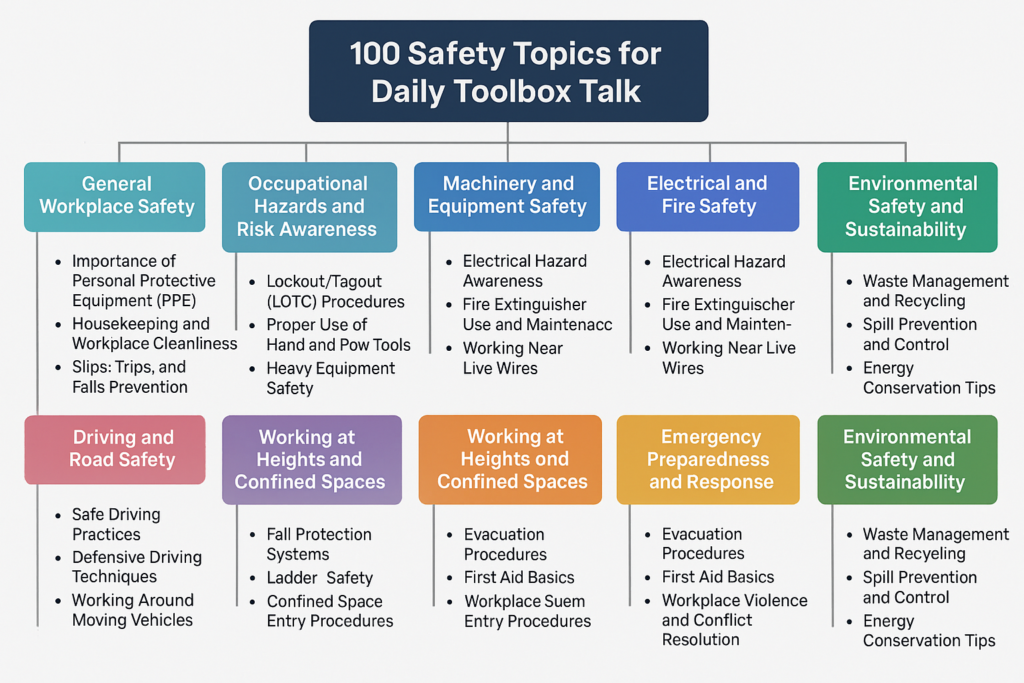
- Preview the topic – Read the PDF the night before. Highlight key points.
- Customize for your site – Add a local example: “Last week, we saw loose cables near the generator—this talk applies directly.”
- Limit to 10–15 minutes – Focus on 3 key takeaways. Use the “Tell, Show, Do” method.
- Engage, don’t lecture – Ask: “What’s one near-miss you’ve seen with ladders?”
- Document attendance – Sign-in sheets tied to the PDF topic create audit-ready records.
Avoid reading the PDF verbatim. Workers tune out. Instead, use it as a visual aid—project it, hand out copies, or post key points on a whiteboard.
Common Mistakes That Undermine Free Safety Talks
Even with great PDFs, execution flaws can render talks ineffective.
- Repetition without variation: Using the same fall protection talk every month with no new examples.
- No follow-up: Talking about PPE but not checking compliance afterward.
- Wrong audience: Discussing confined space entry with workers who never enter one.
- Poor timing: Holding talks when crews are rushing to start or end shifts.
- No accountability: No records, no signatures, no proof.
Fix this by rotating topics quarterly, linking talks to recent incidents, and assigning team members to lead occasionally.
Making Free PDFs Work for Different Industries
One-size-fits-all doesn’t work. Adapt free safety topics to your environment.
#### Construction Crews Focus on: Fall protection, crane safety, scaffold checks, PPE. Tip: Pair PDFs with on-site demonstrations—show a damaged harness, inspect a ladder together.
#### Manufacturing Teams Emphasize: Machine guarding, lockout/tagout, forklift safety, chemical handling. Use case: Use a PDF on energy isolation during maintenance planning.
#### Utility and Telecom Prioritize: Overhead lines, dig safety, personal grounding, weather preparedness. Pro insight: Add a “call before you dig” reminder to excavation talks.
#### Warehousing and Logistics Target: Pedestrian safety, forklift blind spots, stacking loads, fire exits. Engagement: Walk the talk—do a quick sweep for blocked exits after the meeting.
The best free PDFs include space for site-specific notes. Use it.
Building a Sustainable Toolbox Talk Program
Free safety topics are a starting point. Long-term success requires structure.
Implement this system:
- Monthly calendar: Plan topics in advance. Align with project phases or seasons.
- Digital folder: Store PDFs by category (e.g., “Fall Protection,” “Electrical”).
- Leader rotation: Train foremen to lead talks using the same PDFs.
- Feedback loop: Ask crews: “Was this talk useful? What should we cover next?”
You’ll know it’s working when workers start referencing past talks: “Hey, this is like that ladder safety talk last month.”
Final Thoughts: Quality Over Quantity
Free safety topics for daily toolbox talk PDFs aren’t magic. But when selected wisely and delivered with intent, they’re powerful.
Skip the filler. Avoid the generic. Choose PDFs that speak directly to your team’s risks, tools, and environment. Use them not to check a box, but to start a conversation that saves lives.
Download a few today. Print them. Bring them to the next morning huddle. And make safety something your team does, not just something they hear about.
- 5 Free Safety Topics for Daily Toolbox Talk PDFs You Can Use Now
- OSHA Fall Protection Guide
- NASP Hand Tool Safety PDF
- SafetyInfo Confined Space Entry Talk
- HSE Slips and Trips PDF
- ConstructionSafetyStore Heat Stress Talk
FAQ
What should you look for in Free Safety Topics for Daily Toolbox Talk PDF? Focus on relevance, practical value, and how well the solution matches real user intent.
Is Free Safety Topics for Daily Toolbox Talk PDF suitable for beginners? That depends on the workflow, but a clear step-by-step approach usually makes it easier to start.
How do you compare options around Free Safety Topics for Daily Toolbox Talk PDF? Compare features, trust signals, limitations, pricing, and ease of implementation.
What mistakes should you avoid? Avoid generic choices, weak validation, and decisions based only on marketing claims.
What is the next best step? Shortlist the most relevant options, validate them quickly, and refine from real-world results.