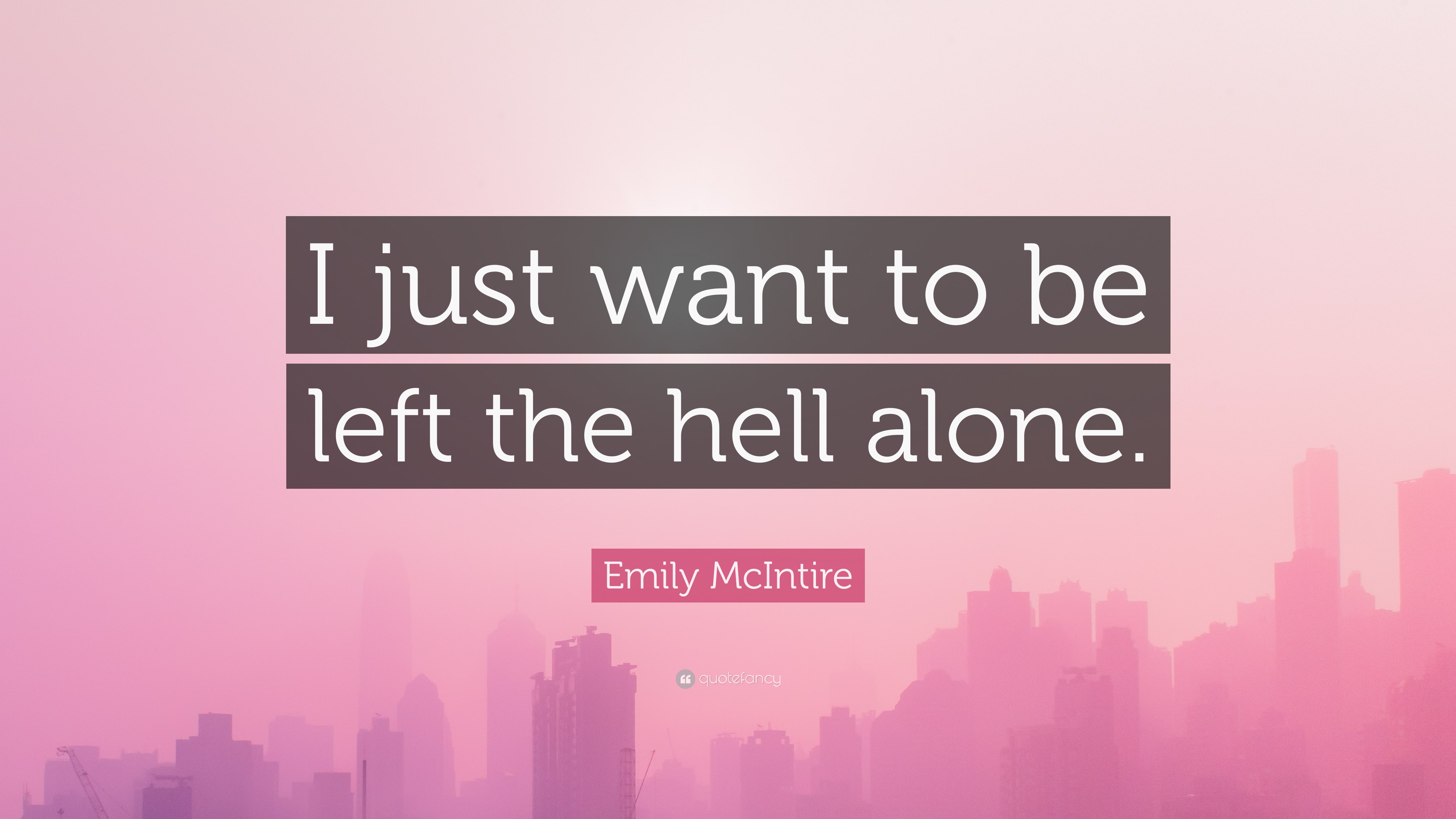
"You know, I want to be left alone. I want attention for my music, but I want to be able to go in public and eat a sandwich."
This unfiltered line—often attributed to Eminem in interviews and fan discussions—cuts through the noise of celebrity culture like a razor. It’s not a lyric from Lose Yourself or Mockingbird, but it carries the same weight: raw, honest, and deeply human. In a world that commodifies visibility, Eminem’s desire to exist quietly while being celebrated for his art speaks to a universal conflict—especially for creators who never asked to be famous, only heard.
This sentiment isn’t just poetic irony. It’s a roadmap to understanding the psychological toll of sudden fame, the cost of artistic success, and the quiet dignity of wanting normalcy.
Let’s break down what this quote reveals—about Eminem, about fame, and about the invisible line between artist and icon.
The Paradox of Fame: Wanting Recognition Without the Scrutiny
Eminem’s career is built on contradiction. He raps about wanting the world to listen, then lashes out when they do. He performs sold-out arenas, yet avoids red carpets. He writes songs like Mockingbird to protect his family from the glare of fame, while the very act of releasing the song pulls them deeper into it.
That’s the duality: the hunger for artistic validation versus the need for personal peace.
When he says he wants “attention for music,” he’s not asking for paparazzi or talk show appearances. He wants listeners. He wants his lyrics dissected, his flow studied, his storytelling felt. But he doesn’t want his lunch analyzed by a fan with a phone.
Real creators know this tension. A novelist wants their book reviewed, not their grocery list leaked. A painter wants their technique admired, not their divorce scrutinized. Eminem’s quote crystallizes that truth in a way only someone who’s lived it could.
The Sandwich as a Symbol of Normalcy
The "sandwich" line isn’t throwaway humor. It’s a metaphor for autonomy.
Imagine walking into a diner. You’re tired. You just want a turkey sandwich, a Coke, and five minutes of silence. But the second you sit, someone recognizes you. A photo. A request. A comment about your weight, your past, or your daughter. Suddenly, your sandwich tastes like performance.
Eminem has lived this. In a 2013 Rolling Stone interview, he said: > “I don’t want to be a celebrity. I never wanted to be famous. I just wanted to make music that people respected.”
And yet, respect brought fame. And fame erased anonymity.
The sandwich represents the mundane freedoms most people take for granted—eating, walking, thinking—without being interrupted by the weight of public expectation.
“Lose Yourself”: Art Born From Pressure, Not the Spotlight
Lose Yourself—Eminem’s Academy Award-winning anthem—wasn’t written for fame. It was written from fear.
The song captures the anxiety of a single chance: “You better lose yourself in the music, the moment / You own it, you better never let it go.” It’s about seizing opportunity, not enjoying stardom.
Ironically, the song made him inescapable. The very track that explores the terror of failure launched him into global icon status. And with that came the loss of the very thing the song idealizes: the pure, unobserved moment of creation.
It’s a cruel loop: - You create art about being unseen and unheard. - The world hears it and thrusts you into the light. - Now you can’t create—or even eat—in peace.
“Mockingbird”: Fame’s Toll on Family
If Lose Yourself is about ambition, Mockingbird is about consequence.
In the 2004 ballad, Eminem sings directly to his daughter Hailie: > “I’m tryin’ to keep you happy, but I’m just a rapper, I’m not a father.”
The song reveals regret, guilt, and a desperate attempt to shield his family from the chaos he created. He acknowledges the trade-off: “People hate me and feel they gotta hate you too.”
This is where the “left alone” quote gains emotional depth. It’s not just about him wanting solitude. It’s about protecting the people he loves from the fallout of his fame.
He doesn’t just want to eat a sandwich in peace—he wants his daughter to walk to school without whispers, his mother-in-law to run errands without harassment, and his family to exist without being part of a public narrative.
Why This Quote Resonates Beyond Eminem
You don’t need to be a rapper to feel this tension.
- A software developer releases an open-source tool that goes viral. Suddenly, strangers demand free support at 2 a.m.
- A writer pens a viral essay about anxiety—then gets flooded with messages demanding advice they’re not qualified to give.
- A TikTok creator posts a joke video, and overnight, their face is recognized at the gas station.
The modern world rewards visibility but rarely prepares people for its consequences.
Eminem’s quote acts as a warning: Fame doesn’t just change your status—it changes your access to everyday life. And not all of it is worth the trade.
The Myth of “Making It”
We’re taught that “making it” means sold-out tours, magazine covers, and viral moments. But Eminem’s career shows another truth: reaching the top doesn’t bring peace—it often steals it.
Consider his behavior offstage: - He avoids interviews unless necessary. - He rarely attends award shows. - He lives relatively privately in Detroit, away from Hollywood.
This isn’t arrogance. It’s preservation.
In a 2017 BBC interview, he said: > “I never fit in anywhere, so I don’t go to places where I feel out of place.”
That’s not a celebrity talking. That’s a person trying to survive his own success.
The Price of Being “Loved” by Millions
Here’s a hard truth: public affection often comes with entitlement.
Fans don’t just admire Eminem—they feel ownership. They comment on his parenting. They critique his comebacks. They argue about his legacy like it’s their property.
And when he disappears, they demand answers.
But artists aren’t public utilities. They’re human. They need space to fail, to rest, to eat a sandwich without being asked for a freestyle.
Eminem’s desire to be “left alone” isn’t misanthropy. It’s self-preservation. It’s the understanding that constant visibility erodes creativity, damages relationships, and distorts identity.
What We Can Learn From Eminem’s Duality
You don’t have to be famous to apply this lesson.
Ask yourself: - Are you chasing recognition for your work—or for your name? - Do you want your ideas shared, or your personal life dissected? - Can you separate your art from your identity?
Eminem’s journey shows that true artistic integrity often means rejecting the perks of fame to protect the process.
It’s possible to want your work seen without wanting your face everywhere. To crave impact without demanding spotlight. To be influential without being accessible.
Closing: How to Stay Grounded in a Loud World
Eminem’s quote isn’t just a reflection on fame—it’s a strategy for sanity.
If you’re creating—whether music, writing, design, or code—hold tight to this principle: Protect your peace like it’s your most valuable asset. Because it is.
You can want your work to matter without inviting the world into your kitchen. You can release art into the void and still keep parts of yourself private.
And if someone asks why you’re not more “out there,” remember Eminem’s sandwich.
Sometimes, the most revolutionary act isn’t performing. It’s just eating lunch—undisturbed.
FAQs
What did Eminem say about wanting to be left alone? Eminem expressed that he wants recognition for his music but also the freedom to live privately—famously illustrated by his desire to “eat a sandwich” in public without being noticed.
Did Eminem really say the sandwich quote? While not from a published lyric, the quote has been widely attributed to Eminem in interviews and media profiles, reflecting his consistent stance on privacy.
How does “Lose Yourself” relate to fame? “Lose Yourself” is about seizing opportunity under pressure, not the rewards of fame. Ironically, its success made Eminem a global star, complicating his desire for privacy.
What is the message of Eminem’s “Mockingbird”? “Mockingbird” is a heartfelt apology and promise to his daughter, addressing the impact of his fame and personal struggles on his family.
Why does Eminem avoid the spotlight? Eminem has stated he never wanted to be a celebrity—he wanted his music to be respected. The attention that comes with fame disrupts his personal life and creative process.
Is wanting privacy hypocritical for a famous rapper? Not at all. Many artists seek validation for their work, not intrusion into their lives. Eminem’s desire for privacy reflects a common conflict among creators.
Can you be successful without being famous? Yes. Eminem proves that artistic impact and cultural relevance don’t require constant visibility. Success can coexist with intentional privacy.
FAQ
What should you look for in Eminem on Fame: Wanting Attention for Music, Not the Spotlight? Focus on relevance, practical value, and how well the solution matches real user intent.
Is Eminem on Fame: Wanting Attention for Music, Not the Spotlight suitable for beginners? That depends on the workflow, but a clear step-by-step approach usually makes it easier to start.
How do you compare options around Eminem on Fame: Wanting Attention for Music, Not the Spotlight? Compare features, trust signals, limitations, pricing, and ease of implementation.
What mistakes should you avoid? Avoid generic choices, weak validation, and decisions based only on marketing claims.
What is the next best step? Shortlist the most relevant options, validate them quickly, and refine from real-world results.