Most games entertain. A few challenge you. Strategy based games do both—by forcing players to think ahead, adapt under pressure, and manage limited resources. Whether you're plotting military conquests or optimizing city growth, these games reward patience, foresight, and disciplined decision-making over reflexes or luck.
In a world flooded with instant-gratification titles, strategy based games stand apart. They don’t just fill time—they build skills. From classic board games to modern digital epics, they train logical reasoning, risk assessment, and multi-layered planning. And for players who thrive on outthinking opponents, there’s nothing quite like the quiet satisfaction of a well-executed plan.
Why Strategy Based Games Dominate Long-Term Engagement
Strategy games have staying power because they scale with skill. Unlike linear action titles, they offer nearly infinite replayability. A beginner might struggle to survive the early game; an expert can manipulate systems, economies, and AI behaviors to dominate.
Take Civilization VI. One playthrough might focus on cultural dominance. The next, a religious crusade. A third, a beeline for space. Each victory path demands different resource allocation, diplomatic stances, and tech-tree navigation. This depth keeps players returning for years.
But it’s not just about complexity. The best strategy games balance accessibility with depth. They introduce mechanics gradually, letting players build competence without overwhelm. Poorly designed strategy titles dump systems at once—overloading the player with menus, tooltips, and conflicting goals. The good ones let you learn by doing.
"A great strategy game doesn’t tell you how to win. It shows you the board and asks: What’s your next move?"
Turn-Based vs. Real-Time: Choosing Your Tempo
All strategy games revolve around decision-making, but they diverge sharply on pacing.
Turn-Based Strategy: Precision Over
Pressure
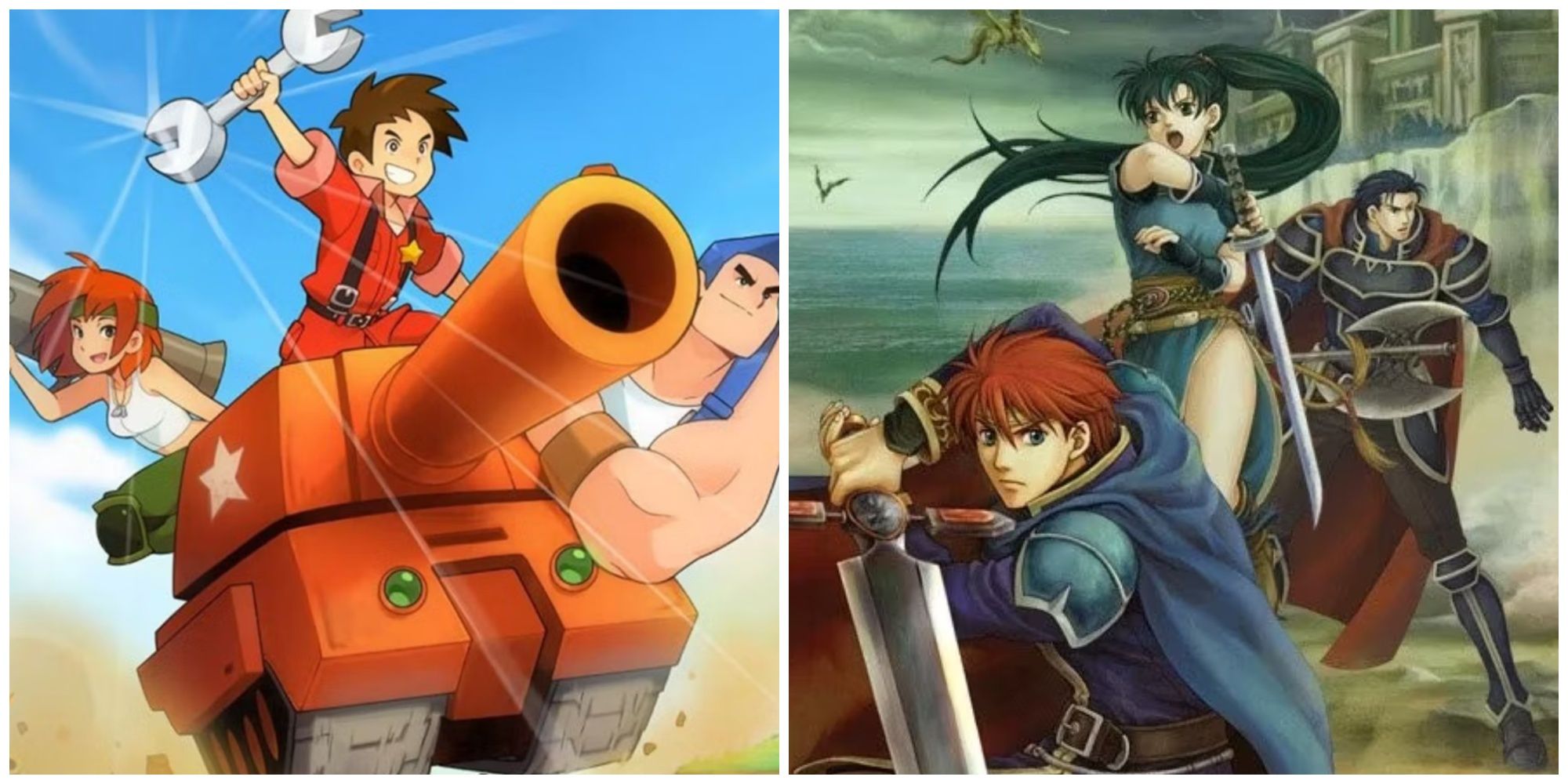
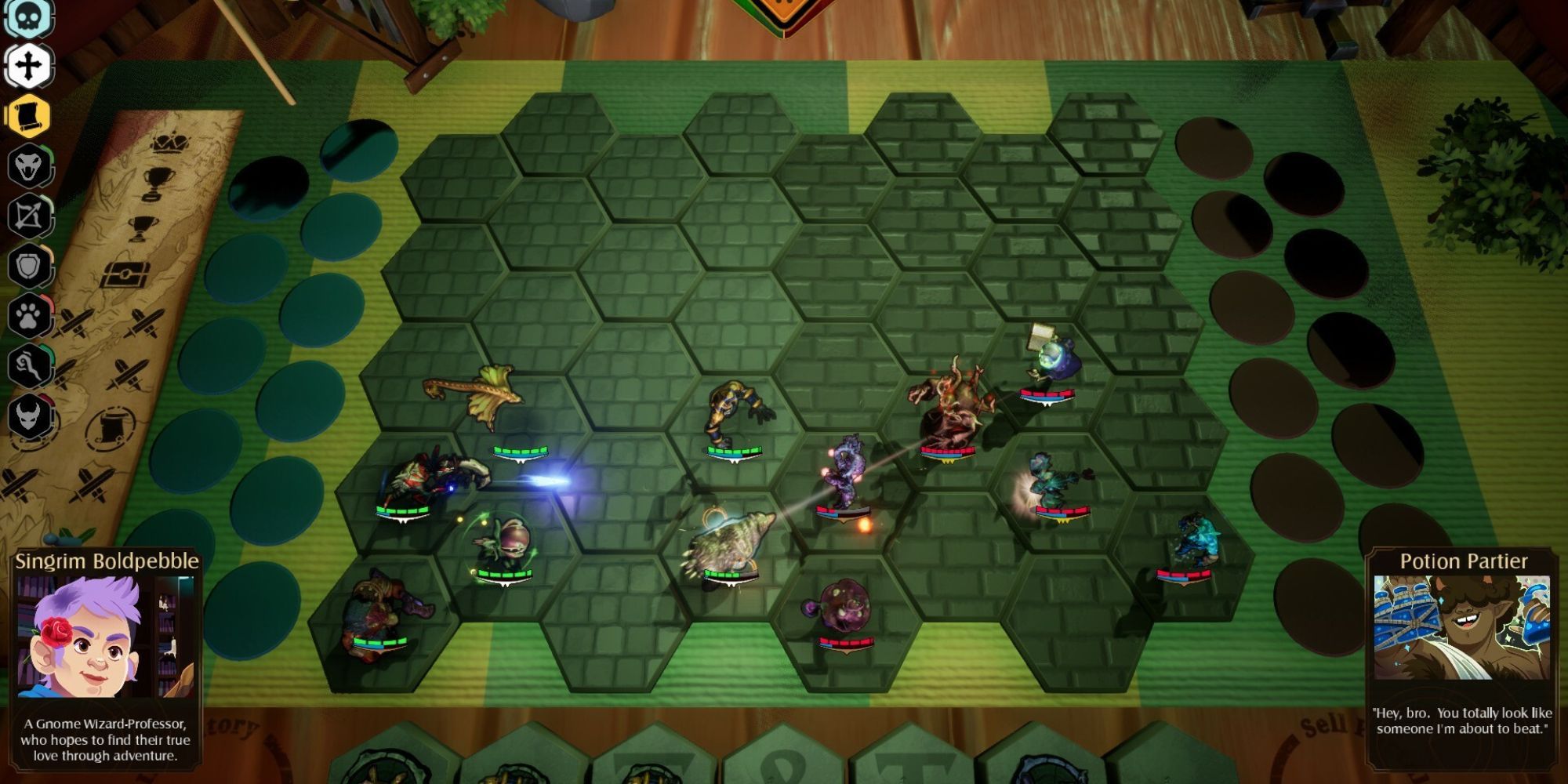
Turn-based games (XCOM, Fire Emblem, Into the Breach) let you pause, assess, and act. There’s no time pressure—just consequences. Every move carries weight. Miss a hidden enemy? You’ll pay for it next turn.
This format suits analytical players. You can: - Study enemy behavior patterns - Position units for maximum coverage - Simulate outcomes before committing
Turn-based doesn’t mean slow. Some of the most intense moments in gaming happen in silent, menu-driven turns—like watching an alien flanking maneuver unfold after your own overconfidence.
Real-Time Strategy: Adapt or Collapse
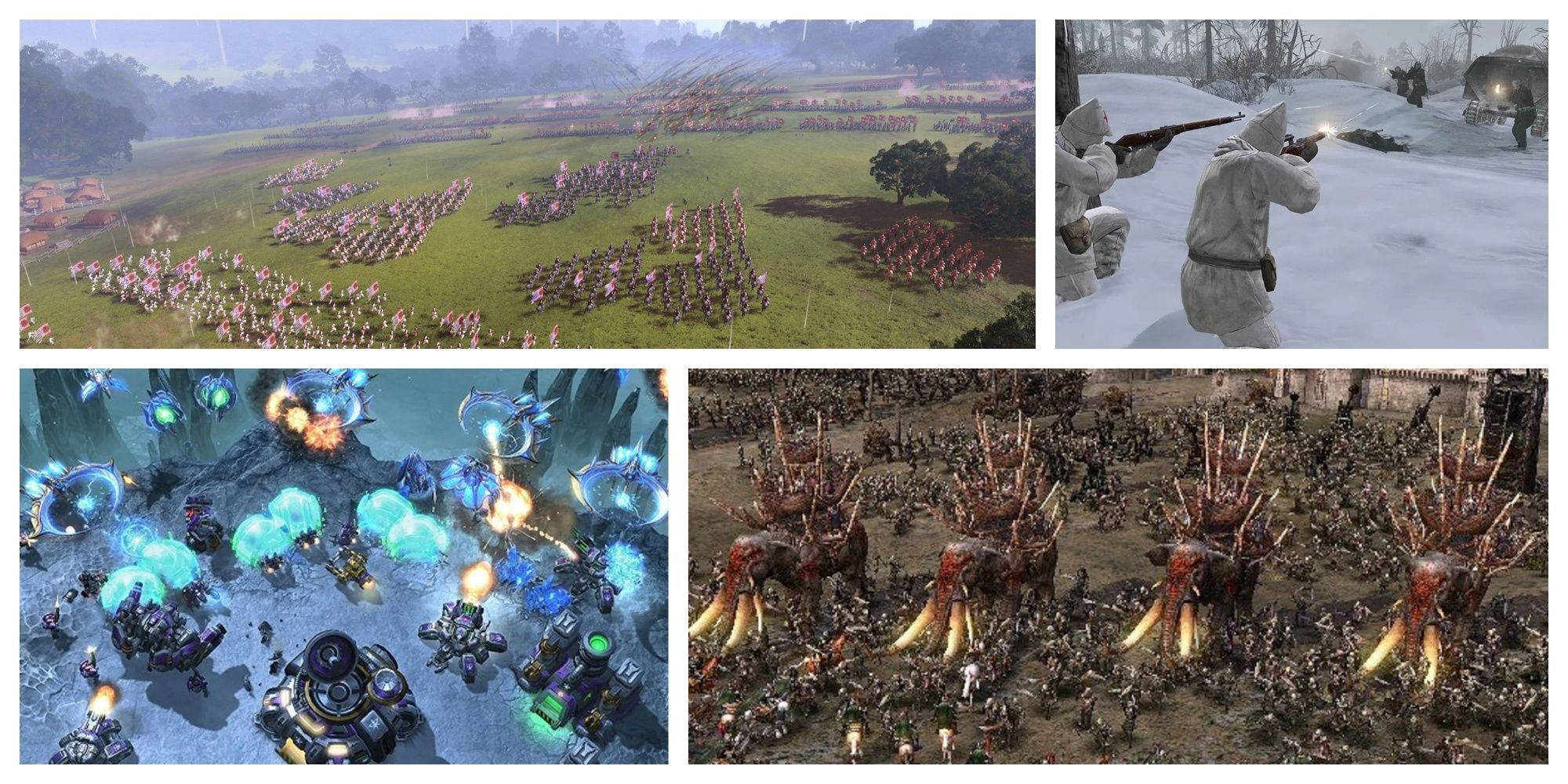
Real-time strategy (RTS) games—StarCraft II, Age of Empires IV, Company of Heroes—demand speed and multitasking. You’re building, scouting, fighting, and managing resources all at once.
The hallmark of RTS mastery? Macro and micro. - Macro = Big-picture management (economy, expansion) - Micro = Unit-level control (tactical positioning, ability timing)
Lag even slightly on macro, and you’ll fall behind economically. Focus too much on micro, and your base gets overwhelmed. Balance is everything.
Pro Tip: Top RTS players use hotkeys religiously. Mouse clicks are slow. Keyboard commands let you queue actions, switch control groups, and issue orders 3x faster.
Resource Management: The Hidden Core of Strategy
No strategy game survives without meaningful resource systems. But not all resources are created equal.
Weak systems use currency as a gatekeeper: “Need troops? Pay 100 gold.” That’s not strategy—it’s shopping.
Strong systems force trade-offs. Consider Frostpunk: - Fuel vs. food - Health vs. productivity - Hope vs. dissent
Each decision ripples. Working people longer boosts output but increases discontent. Letting citizens freeze maintains morale but loses labor. There’s no “right” answer—only calculated sacrifices.
This is where emergent strategy emerges. Players don’t follow scripts. They create solutions: - Building shared housing to conserve heat - Switching to child labor (ethically dark, but mechanically viable) - Automating coal production to reduce human risk
The best games don’t hand you tools—they make you invent them.
Classic Board Games That Define Strategic Thinking
Digital games dominate today, but many foundational strategy concepts come from physical board games. These titles prove you don’t need graphics or AI to create deep strategic play.
| Game | Key Strategic Skill |
|---|---|
| Chess | Long-term planning, pattern recognition |
| Go | Spatial control, influence over territory |
| Pandemic | Cooperative prioritization, crisis response |
| Twilight Struggle | Bluffing, event timing, geopolitical pressure |
| Terraforming Mars | Engine-building, opportunity cost |
Twilight Struggle stands out. It simulates Cold War brinkmanship using cards representing historical events. Playing the right card at the wrong time can backfire—triggering a coup in a fragile region and sparking nuclear war.
These games teach restraint. Victory often goes not to the aggressive player, but to the one who waits, observes, and strikes when the board shifts in their favor.
Modern Digital Strategy Games Worth Your Time
The genre has evolved far beyond Command & Conquer. Today’s strategy games blend genres, experiment with mechanics, and push conceptual boundaries.
Here are five standout titles across subgenres:
1. Crusader Kings III
- Type: Grand strategy / RPG hybrid
- Why it stands out: Tracks individual characters, relationships, and dynasties. You don’t just rule a nation—you manage heirs, lovers, vassals, and betrayals.
- Strategic depth: Succession planning, vassal management, cultural assimilation
2. Into the Breach
- Type: Turn-based tactics
- Why it stands out: Every enemy action is telegraphed. You see what they’ll do before they do it. Victory comes from perfect prediction and positioning.
- Strategic depth: Damage mitigation, terrain use, enemy priority targeting
3. Stellaris
- Type: 4X space strategy
- Why it stands out: Procedurally generated galaxies, alien ethics, and late-game crises (like AI uprisings).
- Strategic depth: Diplomacy webs, fleet composition, technological specialization
4. This War of Mine
- Type: Survival strategy
- Why it stands out: You play as civilians, not soldiers. Focus shifts from conquest to moral decisions: steal medicine? Kill an intruder? Let someone starve?
- Strategic depth: Mood management, skill synergy, risk assessment
5. Reigns: Her Majesty
- Type: Swipe-based strategy
- Why it stands out: Simplifies decision-making into left/right swipes—but each choice affects four core meters (army, people, church, wealth).
- Strategic depth: Balancing conflicting institutions, long-term consequence tracking
Each of these games proves that strategy isn’t about scale. It’s about meaningful choices.
Common Strategy Game Mistakes (And How to Avoid Them)
Even experienced players fall into traps. Recognizing these patterns can accelerate your growth:
- Overextending too early
- Building too many cities or forward bases drains resources and invites attack. Fix: Consolidate first. Expand when you can defend.
- Ignoring the “soft” metrics
- In Civilization, happiness and culture matter as much as gold and science. In Crusader Kings, stress and faction opinion can collapse your realm. Fix: Monitor all vital signs, not just the obvious ones.
- Chasing victory conditions too hard
- Tunnel vision leads to neglecting defense, economy, or diplomacy. Fix: Stay flexible. Adapt your win condition based on the game state.
- Failing to save-scum (when useful)
- Some decisions are irreversible. In XCOM, losing a high-level soldier hurts. Fix: Use manual saves before risky actions—especially in games with permadeath.
- Not learning enemy patterns
- AI isn’t random. It follows rules. Fix: After losing, ask: What triggered that attack? What did I do differently last time? Patterns emerge.
How Strategy Games Build Real-World
Skills
It’s easy to dismiss gaming as escapism. But strategy games develop tangible cognitive benefits:
- Improved working memory: Juggling multiple systems strengthens mental tracking.
- Better risk assessment: Weighing odds in-game translates to real-life decision-making.
- Enhanced planning: Long campaigns teach step-by-step goal setting.
- Emotional regulation: Losing due to poor planning—not bad luck—builds accountability.
A 2021 study published in Nature Human Behaviour found that regular strategy game players showed increased gray matter in the prefrontal cortex—the area tied to executive function and problem-solving.
This isn’t just play. It’s mental training disguised as entertainment.
Final Move: Pick One and Play It Well
Strategy based games don’t reward dabbling. Mastery comes from repetition, reflection, and refinement.
Your next step isn’t to try ten games. It’s to pick one—learn its systems, lose a few times, and start seeing patterns. Then adjust. Then win.
Whether it’s maneuvering tanks in Company of Heroes or balancing budgets in Cities: Skylines, the goal is the same: think deeper, plan farther, and outlast the challenge.
Start with one. Master it. Then move to the next. That’s how strategy players win—not just in games, but in how they think.